Editor’s note: This is the final installment in a four-part series about NACFE’s Run on Less – Messy Middle demonstration and findings about ways to decarbonize and improve fuel efficiency.
Four fleets showed what diesel, renewable diesel and biodiesel could do with long-haul operations, achieving fuel efficiency that was at times double the industry average.
The fleets captured real-world operations during the National American Council for Freight Efficiency's "Run on Less — Messy Middle" demonstration last year. They retold the story through in-depth reports this year.
"When optimized, modern diesel equipment can routinely deliver 10 to 12 MPG in flat or lightly rolling terrain and maintain 8 to 10 MPG in heavily mountainous regions," a March operations report said.
Beyond diesel, the report also showed fleets utilizing compressed natural gas, battery-electric and hydrogen fuel cell equipment, highlighting their future potential.
Fleets showcase diesel’s potential
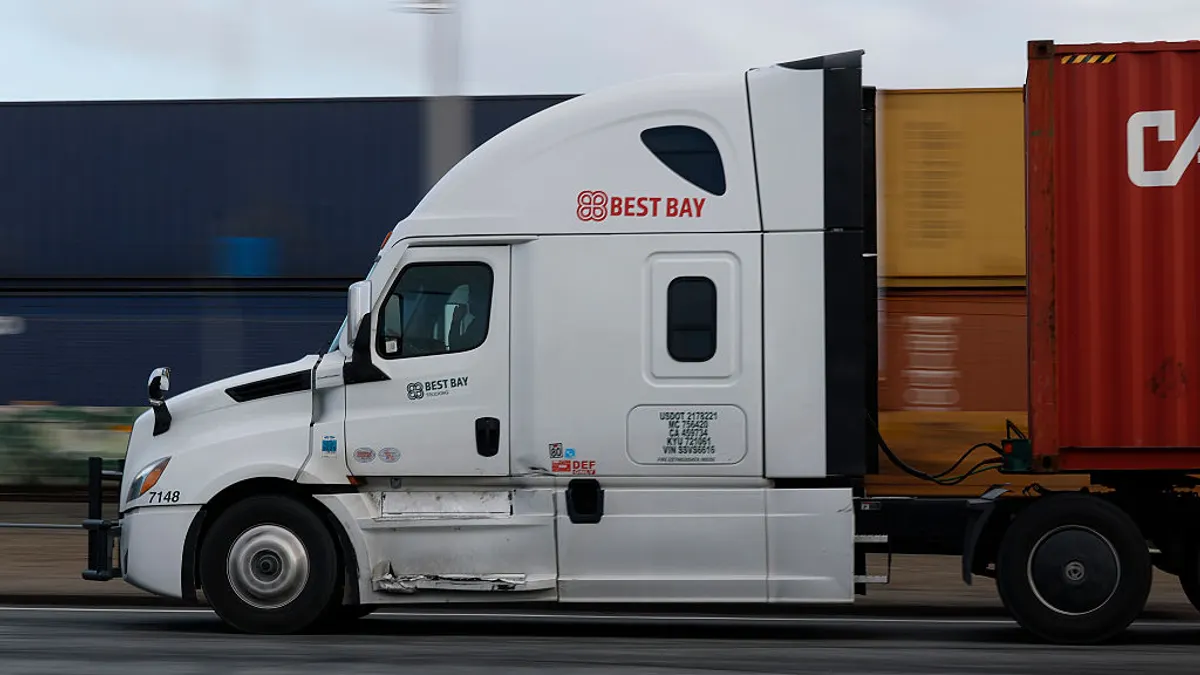
For diesel, the run featured Albert Transport, Frito-Lay, Mesilla Valley Transportation and Schneider National for operations that covered significantly different terrains, meaning uniform comparisons were not possible.
For diesel, the run featured Albert Transport, Frito-Lay, Mesilla Valley Transportation and Schneider National. Fleet operations had significantly different terrains, so uniform comparisons were not possible.
But among the takeaways, NACFE pointed to how leading equipment, optimal conditions and driver skills as well as experience showed just how much diesel tractors can perform.
Fleets blast past industry's average fuel efficiency
"Despite dramatically different terrain, payload, and dispatch profiles, all four fleets delivered consistent high-single- to low-double-digit MPG,” the report noted.
That fuel efficiency far outpaced the industry average of 6.852 mpg as reported by an American Transportation Research Institute operational costs report for 2024.
Average fuel efficiency in the run came out as follows: 11.8 MPG for Albert Transport, 9.48 MPG for Frito-Lay, 11.73 MPG for Mesilla Valley Transportation and approximately 9.03 MPG for Schneider National.
Factors within and out of fleets’ control
The differences in fuel efficiency came as fleets ran different equipment and routes, with significant differences in elevation and climbs.
But other factors were also notable. Running overnight hours when traffic is least congested, and driver familiarity with the route to know “where grades begin, how traffic patterns shift, and when to anticipate slowdowns” can all play a part, the report noted.
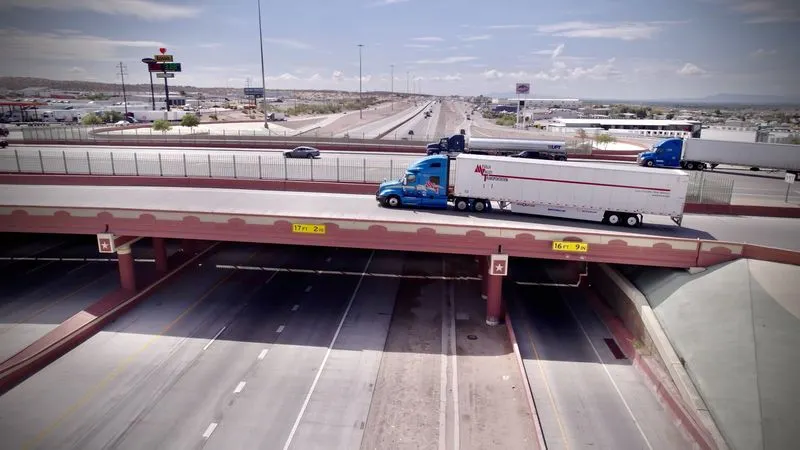
Additionally, teaching peers to drive at 55 mph can help maximize efficiency, Mesilla Valley Transportation driver Roberto Sandoval noted in the NACFE report.
Aerodynamic equipment and other technology can also help drivers be successful, Schneider VP of Equipment Engineering Jake VandeLoo also noted in the report.
Fleets show real-world applications of renewable fuels
Diesel routes had the easiest refuels, but Frito-Lay’s Volvo VNL day cab with the Optimus Technologies Vector System had a dual-tank fuel system that enables operation on B99/B100 biodiesel, serving as a bridge in alternative fuels, NACFE noted.
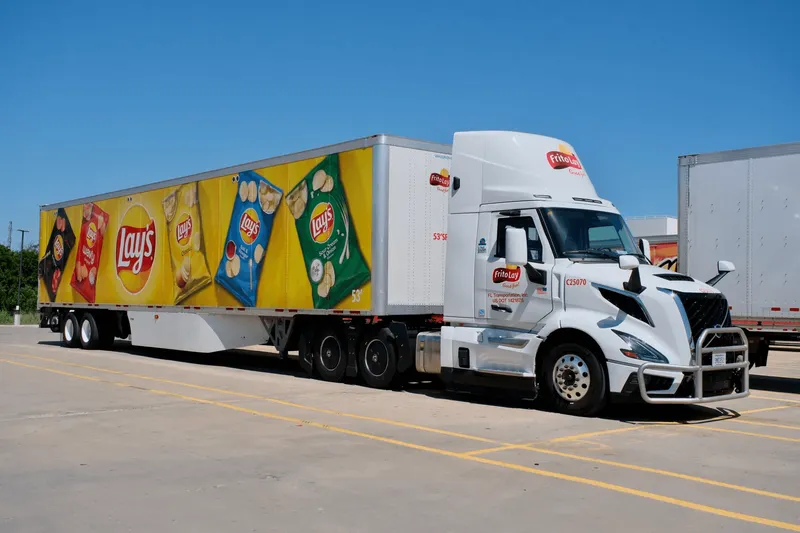
"Outside of the range of EVs and renewable natural gas vehicles, we leverage biodiesel as the third leg of that strategy for our over-the-road fleet to decarbonize those operations," former PepsiCo Director of Fleet Engineering and Sustainability Adam Buttgenbach said in the report.
Schneider National used an International LT sleeper, running predominantly on renewable diesel while “maintaining fuel economy comparable to Schneider's best conventional diesel tractors,” NACFE also wrote.
What’s next for diesel?
In wrapping up a series of reports, the organization issued a final report this month for the “Messy Middle.”
In its conclusions, the organization wrote that diesel’s financial advantage is finite: Total cost of ownership continues to rise in that powertrain amid emissions compliance, fuel price shocks and other factors — while alternative technologies are poised to push diesel to the side.
The next run is slated to begin in late 2027.