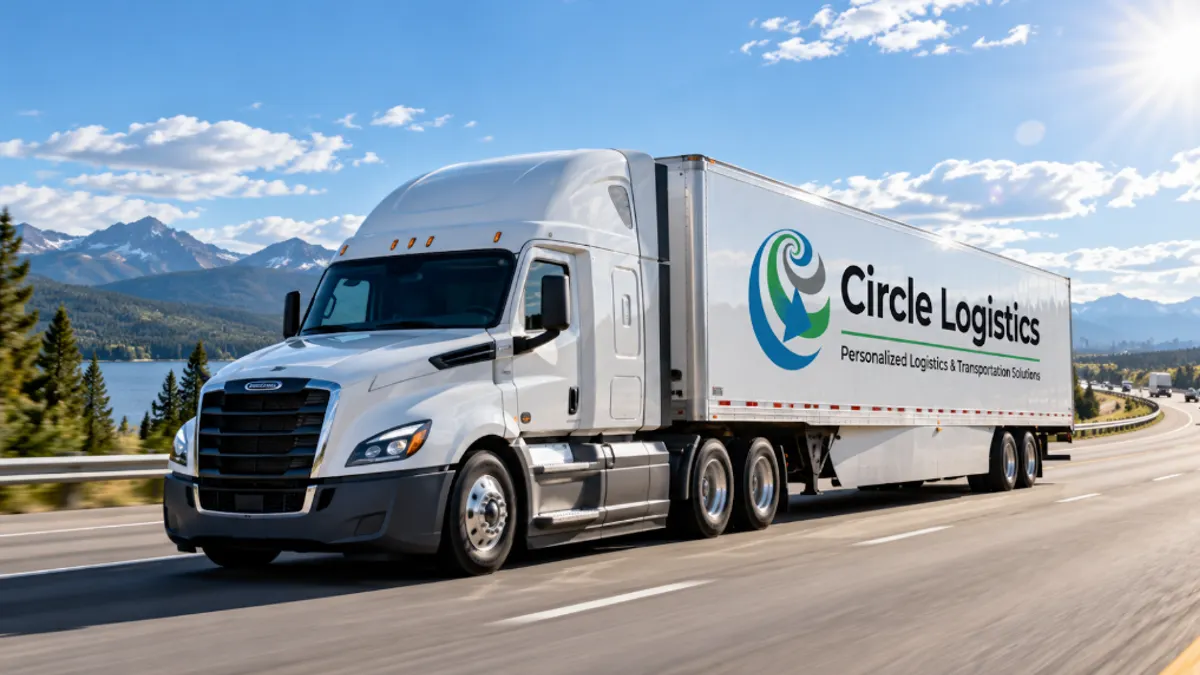
Dive Brief:
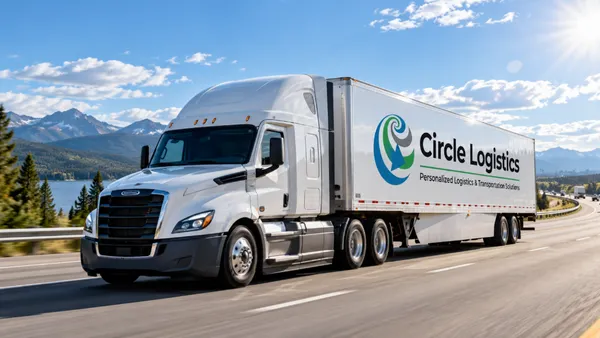
- Circle Logistics is expanding its refrigerated less-than-truckload service for food and beverage shippers, according to a Sept. 14 press release. The third-party logistics provider is building a referral network of qualified frozen food producers and connecting them with available reefer LTL capacity.
- The expansion consists of new lanes and new customers alongside existing accounts, and requires no additional headcount — only a small cost in applications, Karl Fillhouer, VP of sales and operations at Circle Logistics, told Trucking Dive in an email. All of the company’s reefer LTL business runs through brokerage rather than company-owned equipment.
- Circle launched the service a few years ago and serves a couple dozen food and beverage shippers today, Fillhouer said. “Most of that growth comes from small- to medium-sized shippers that lack the volume to build efficient milkruns from one facility,” he said.
Dive Insight:
Reefer LTL solves a specific problem for smaller producers: A frozen food brand shipping just a few pallets has to pay for an entire temperature-controlled trailer unless it can find partners to share the load. Consolidating multiple shippers into one reefer trailer lowers the entry cost, but that can also add more stops, longer transits and more chances for temperature fluctuations.
Circle Logistics is pursuing that market without hauling the freight itself. All of its reefer LTL business runs through brokerage, Fillhouer said, and the referral network serves two purposes at once: recruiting shippers and securing capacity.
“Reefer LTL has quickly become a cornerstone of our service offering because it fundamentally changes the logistics math for growing brands,” said Rick Lefler, director of business development at Circle Logistics, in the release.
Fillhouer did not provide volume figures for the service or disclose margins, but he said the segment is margin-accretive. He did confirm, though, that the company’s more than $700 million in annual freight spend is up year over year.
Multiple LTL carriers are also getting increasingly pickier with their freight profiles as the market normalizes, C.H. Robinson noted in a September report. “As carrier networks get busier, aligning freight with the right carriers is more likely to avoid delays, reduce surprises, and maintain consistent performance,” the 3PL noted.