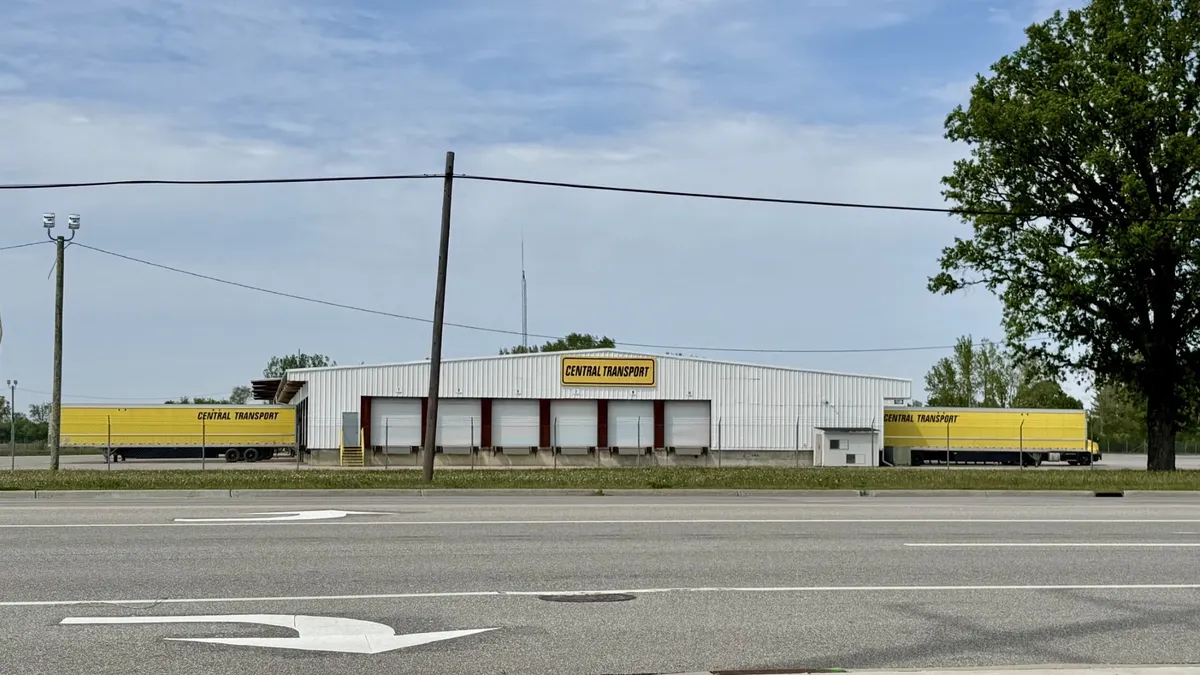
Central Transport will pay $5.5 million to resolve a federal lawsuit to settle claims it failed to hire qualified women drivers throughout the country, the Equal Employment Opportunity Commission announced May 15.
The EEOC said the Michigan-based carrier alleged the carrier repeatedly passed over qualified women driver applicants over the past 10 years. The carrier allegedly selected less qualified male applications and subjected women who applied to jobs to different hiring procedures than those used for men, per the release.
According to the EEOC, Central Transport locations in Phoenix and El Paso, Texas, did not hire any women truck drivers for a number of years despite having numerous women applicants.
“Unfortunately, sex discrimination in hiring continues to be a problem in some industries,” Mary Jo O’Neill, regional attorney for the EEOC’s Phoenix District Office, said in a statement, adding the agency acknowledged the carrier’s willingness to resolve this case though a settlement.
The allegations date back to 2016, according to case documents.
Central Transport, which operates more than 200 facilities across the country, denied the allegations, per case documents signed by Kevin Kalczynski, an attorney for the carrier. The company said it seeks to ensure no employee or candidate will be discriminated against on the grounds or race, color, religion, sex, pregnancy, national origin, age, disability or genetic status in all areas of its operations and employment practices.
Nonetheless, the EEOC said the carrier’s hiring practice violated the Civil Rights Act of 1964 and the Civil Rights Act of 1991 because the business allegedly discriminated against women truck drivers intentionally and failed to hire them because of their sex.
The EEOC filed suit in the U.S. District Court for the District of Arizona after it was unable to reach a settlement through its administrative conciliation process.
The consent decree signed by Central Transport, the EEOC, and Arizona Federal Court Judge John Tuchi, requires Central Transport to pay the four original complainants and a class of other qualified women truck drivers who applied for jobs but were not hired, the release said.
Per the settlement, payments are equal to 25% in backpay wages and 75% compensatory damages. Criteria for eligible recipients involves whether an applicant was a woman, submitted an application, had a commercial driver’s license and were denied employment.
The carrier must also allow affected applicants to apply for positions and participate in the company’s recruitment and hiring processes free from sex-based discrimination and retaliation for participating in the lawsuit, the release said.
Central Transport will hire an outside consultant to review its hiring policies, practices and procedures to ensure it is complying with Civil Rights Act of 1964 rules under Title VII of the law, which involves employment discrimination, the EEOC said. It must also appoint a monitor to supervise that the carrier is complying with the terms of the decree.
The company is also expected to provide training on its anti-discrimination policies, including training on its recordkeeping obligations and the filing of mandatory, annual data reporting for sizable businesses under EEO-1 reports, the EEOC said.